Protecting your ears at festivals
Safe listening means a lifetime of music
Simple tips for festivals
With loads of festivals happening up and down the country every summer, it’s good to think about how best to protect yourself from tinnitus if you're heading out to a live event where it's likely to be loud.
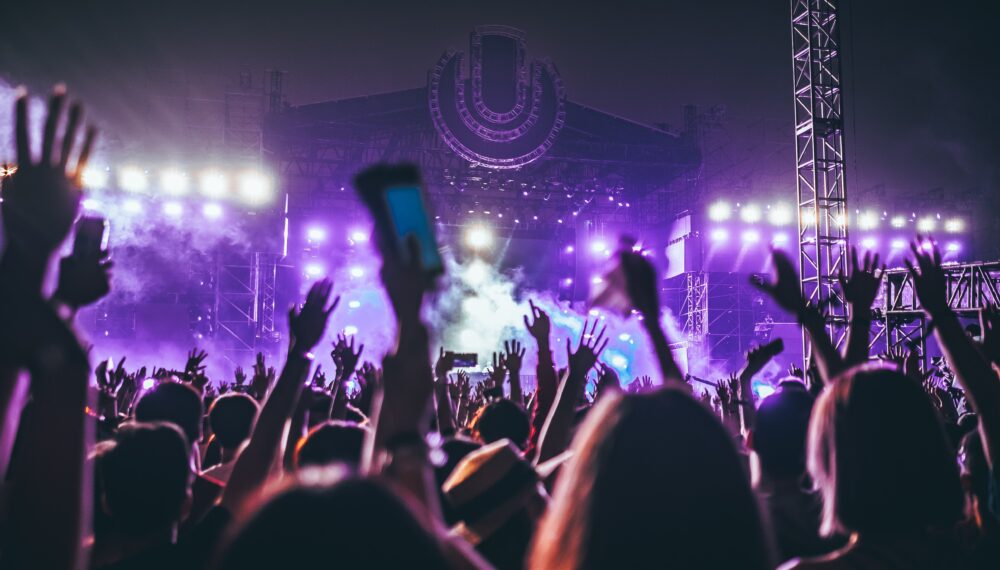
Festivals are one of the most powerful ways people experience live music; immersive, communal, and unforgettable. But they are also amongst the highest-risk listening environments for hearing damage and tinnitus.
Unsafe sound levels don’t just affect professionals. Repeated exposure at festivals can lead to permanent hearing damage, even for people who only attend occasionally. The good news is that most of this harm is preventable.
Protecting your hearing isn’t about turning the music down or losing the atmosphere. It’s about making safe listening part of the festival experience, so the music you love today can still be enjoyed tomorrow.
Why festivals matter for hearing health
Sound levels at festivals frequently reach 90–110 decibels (dB), particularly near stages and speaker stacks. At these levels, hearing damage can occur much faster than many people realise; sometimes within minutes without protection. You can find more information on safe listening levels here.
Risk also increases because festivals often involve:
- long listening days
- multiple sets back-to-back
- several days of exposure
- limited quiet recovery time between acts
Ringing or muffled hearing after a set is not “just part of the experience”. It’s a warning sign that your ears have been over worked.
Safe listening starts before the festival
Choose the right hearing protection
Making hearing protection part of your festival kit is one of the simplest and most effective steps you can take.
- Reusable filtered earplugs lower the volume evenly, helping music sound clear rather than distorted. They are ideal for festivals. Link to product in our shop
- Foam earplugs are inexpensive and useful as a spare or backup.
- If you attend festivals regularly or work in music, custom-moulded earplugs may offer better comfort and long-term protection. You can get these from some NHS Audiology departments, from independent audiology clinics and high street clinics.
Try your earplugs before the festival so you know how they feel and how to fit them properly. Some people find it helpful to get used to them by listening to music at home; you’ll be surprised how clearly you can hear music with either off the shelf reusable filtered earplugs or custom-moulded earplugs.
Plan for breaks
Safe listening isn’t just about earplugs. Try to build ear recovery time into your day:
- plan breaks between acts
- make use of quieter areas
- don’t feel pressure to stay near the stage all day
Protect your hearing during the festival
Use hearing protection consistently
- Put earplugs in before sound levels peak.
- Wear them for whole sets, not just parts of them.
Be aware of sound hotspots
- Sound levels are highest close to speakers and at the front.
- Standing further back can significantly reduce exposure while still delivering a great experience.
Normalise earplugs
Wearing earplugs at festivals should be as normal as wearing sun-cream or taking a reusable bottle.
Hearing protection isn’t a sign the music is “too loud” or that you’re doing something wrong. It’s a simple, sensible way to protect your hearing whilst still enjoying live music.
More and more artists, DJs, crew and audiences now use earplugs as part of safe listening. Making hearing protection visible and routine helps protect everyone and keeps live music accessible for the long term.
Earplugs don’t ruin the experience.
Hearing damage does.
Take listening breaks
Even short breaks matter. Stepping away from loud areas for 10 minutes every hour or so helps reduce cumulative exposure.
Pay attention to your ears
Your ears are telling you something if:
- sound feels uncomfortable or painful
- you notice ringing
- your hearing feels dull or muffled
These signs mean it’s time to move away from loud sound and protect your ears.
After the festival: recovery matters
If you notice ringing, buzzing or muffled hearing after a festival:
- give your ears a rest from loud sound for the next day or two
- avoid headphones or noisy environments while they recover
If symptoms don’t settle, worsen, or begin to affect daily life, speak to your GP or seek hearing support and assessment from a local audiologist.
Repeated exposure without protection increases the risk of long-term hearing problems and tinnitus.
Common myths about hearing protection
“Earplugs ruin the music.”
High-quality filtered earplugs reduce volume without destroying sound quality. Many people find music actually sounds clearer and less harsh.
“Hearing damage only affects professionals.”
Anyone exposed to unsafe sound levels is at risk – audiences included.
“My ears will adapt.”
They won’t. Hearing damage accumulates over time and cannot be reversed.
Festival safe-listening checklist
- Pack hearing protection (and a spare pair)
- Put earplugs in before sound peaks
- Move away from speakers where possible
- Take regular quiet breaks
- Rest your ears after the event
Making safe listening the norm
Protecting hearing at festivals isn’t about limiting enjoyment; it’s about protecting the future of live music and the people who love it.
Normalising hearing protection, clear information and safer listening behaviours helps ensure festivals remain inclusive, sustainable and enjoyable for everyone.
If you have questions about tinnitus, hearing protection or safe listening, Tinnitus UK is here to support you.
-
How loud is loud?
Examples of different machinery and activities and the average sound levels they produce. A guide to help you protect your hearing.
-
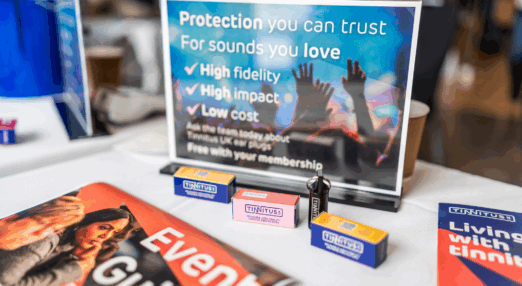
Buy ACS earplugs from Tinnitus UK
Tinnitus UK has teamed up with ACS to offer you universal earplugs that can be used whenever they're needed!