
Inside the World’s Leading Tinnitus Research Hub
This month, Tinnitus UK went inside the world's leading tinnitus research centre, where a dedicated team is working on translating the latest science into real-life care.
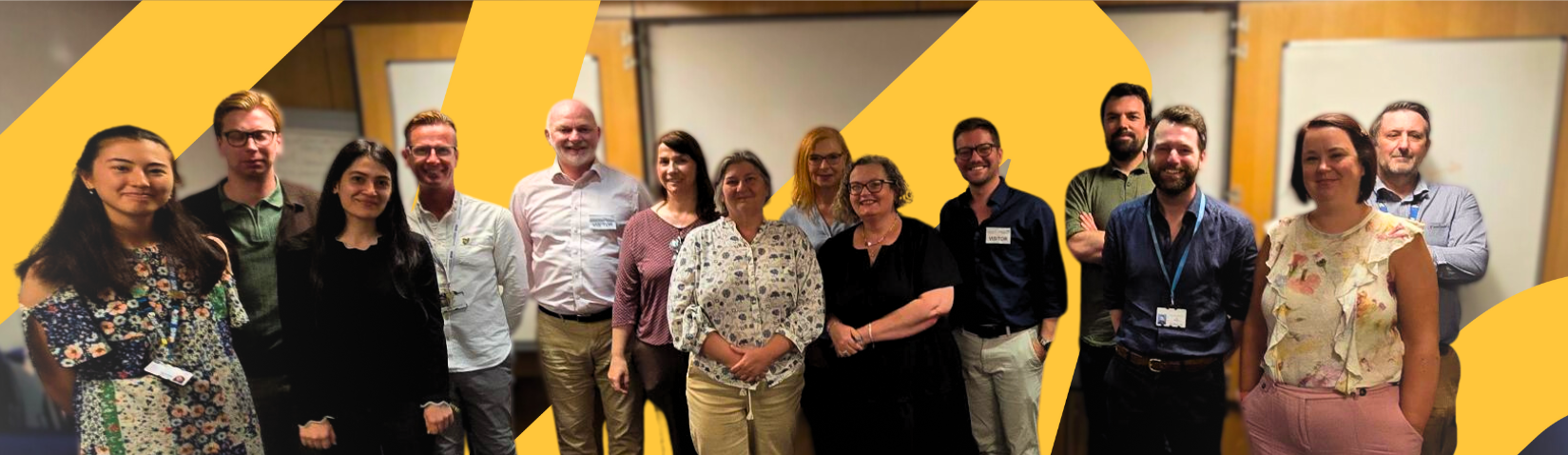
On 24 June 2025, members of the Tinnitus UK team visited the NIHR Nottingham Biomedical Research Centre (BRC), long-time collaborators and the most prolific hub for tinnitus research in the world. Located at Ropewalk House in Nottingham, the BRC is a leading force in the quest to better understand, manage, and ultimately cure tinnitus.
The World Leader in Tinnitus Research
Founded in 2009, the Nottingham BRC is part of a wider network of biomedical centres in the UK and is dedicated to translating scientific discoveries into real-world treatments. During our visit, we were given a powerful insight into the sheer breadth and ambition of their work on hearing conditions – particularly tinnitus.
Nottingham’s tinnitus research programme ranks number one globally on Expertscape, with over 200 papers published since 2013. Their work spans from the biology of tinnitus to developing and testing new therapies. The team’s approach is truly multidisciplinary, bringing together neuroscientists, psychologists, audiologists, engineers, and patients themselves.
Real-World Solutions
We heard from Associate Professor Derek Hoare and Clinical Psychologist Carol MacDonald about the TinMan project – an initiative focused on delivering CBT-informed care for people with tinnitus. While NICE guidelines have long recommended psychological support (particularly CBT), there has been a gap in delivery that we all recognise. TinMan fills this by training NHS audiologists to offer safe, person-centred support rooted in cognitive behavioural principles.
While in its early stages, responses to TinMan have been incredibly positive. More cohorts are to be recruited and trained later this year, with the goal of increasing access to transformational CBT-informed therapies in a safe, transparent and scalable way.
Understanding the Human Experience
Carol also shared important research into the links between tinnitus and suicidal thoughts. A series of studies revealed a concerning gap: while many people with tinnitus experience distressing thoughts, few audiologists feel confident to address them. This work aims to build the confidence and tools professionals need to support patients more fully.
Remember, if you’re experiencing suicidal thoughts or are concerned about someone you know, please call Samaritans.
Tackling Tinnitus in Primary Care
Nic Wray (in her exciting new role!) presented research into how tinnitus and hyperacusis are handled in GP settings. The preliminary findings are not a surprise – many GPs feel ill-equipped to help, often believing there’s nothing to be done. The study seeks to change that, developing an evidence-based model to support self-management and patient engagement from the very first appointment – giving all of us a better experience when we see a GP.
To find out how to get the most out of your GP appointment, simply register for free and watch our full webinar today.
New Frontiers in Treatment
Dr Magdalena Sereda and her colleagues showcased their groundbreaking neuromodulation research, including trials of transcranial direct current stimulation (tDCS) and ultrasound vagus nerve stimulation. Early results are promising, especially with personalised, multi-session protocols. Though still in its research phase, this particular method of neuromodulation appears promising, and could be an important tool for all of us managing our tinnitus.
Dr Bas Labree also presented his work on the impact of cochlear implants on tinnitus. Traditionally an area with little specific investment, interest in the opportunities to treat tinnitus with cochlear implants is growing. If you have a cochlear implant, or are thinking about getting one soon, you can read our guidance on tinnitus and cochlear implants.
Building a Better Future
Dr Ian Wiggins we also learned about the Nottingham Hearing Bioresource – a powerful data bank supporting future research. With a goal of recruiting 2,500 people, it offers researchers a rich, targeted dataset to develop new treatments and answer vital questions more quickly and effectively.
Until it can be measured, tinnitus will remain difficult to treat. So Dr Kathryn Fackrell asked the simplest question: “what are we treating?” Following extensive research, Kathryn has identified which areas researchers should prioritise, including “intrusiveness”, “quality of sleep” and “sense of control”. Tailored depending on whether treatments are sound-based, psychological, pharmaceutical or electrical, this is an important step in standardising the field of tinnitus research.
Dedicated, Diverse, Unstoppable
From pioneering new technologies to compassionate care, the Nottingham team is tackling tinnitus from every angle. Their message to those living with tinnitus is one of hope: while there may not yet be a cure, science is moving fast – and Nottingham is leading the charge.
To learn more about participating in tinnitus research, visit our “Take Part” page and follow links to the NIHR Nottingham BRC.
On behalf of the Tinnitus UK team, we would like to extend a huge thank you to Dr Kathryn Fackrell, Professor Derek Hoare and the team for hosting us, and for always putting patients first.